After three posts on the Alentejo’s water paradox and the roles of soil, pasture and trees, one question remains: What counts as infrastructure on a farm?Reservoirs, boreholes, and pumps matter.
They keep animals alive but do not decide whether a farm still grows grass, raises livestock, or protects soil through drought.Ç
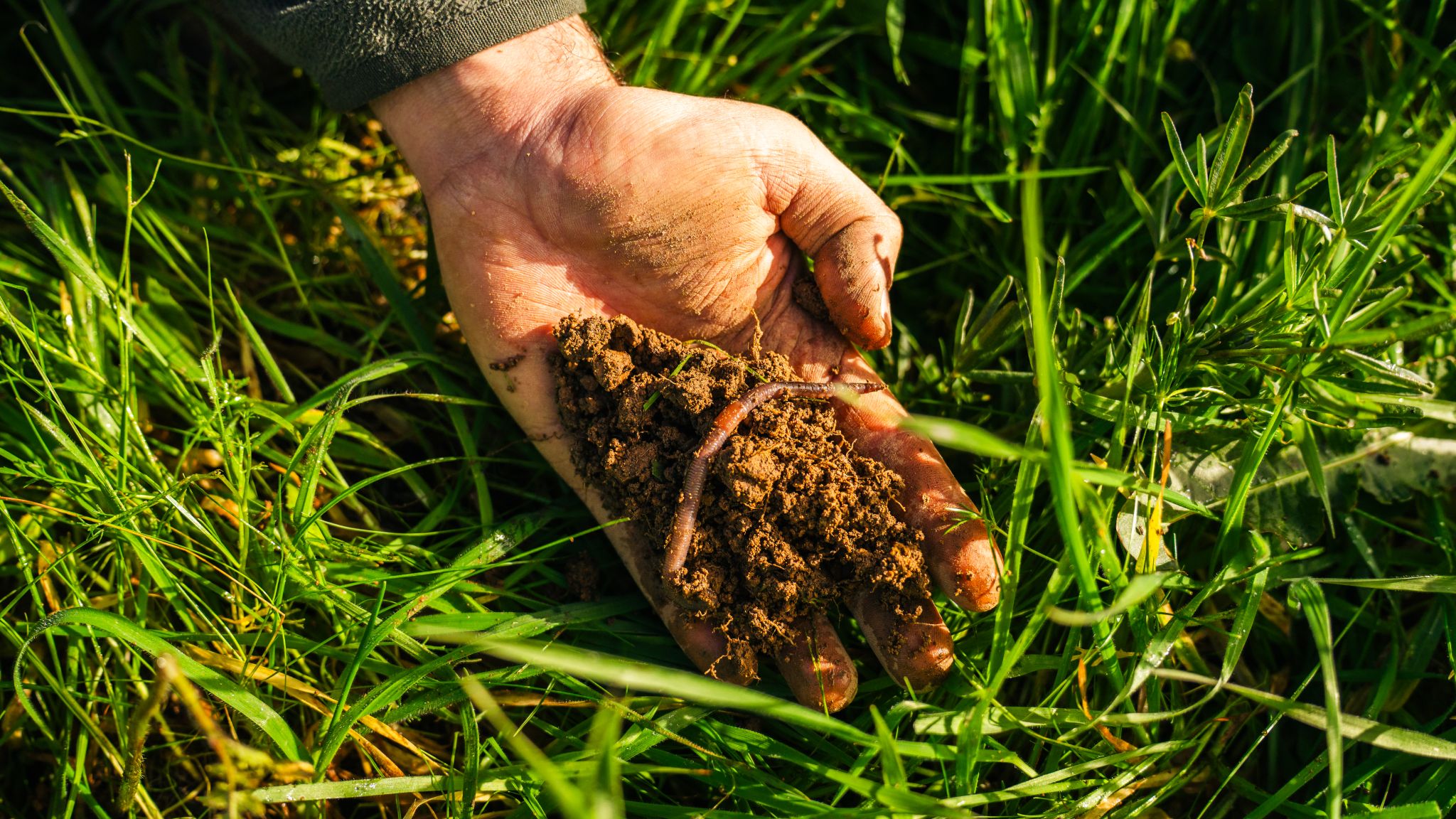
Farmers who extend the green season into summer gain a clear economic edge. They treat living systems as core assets, pastures, trees, and animals work with the small water cycle to store and reuse moisture.
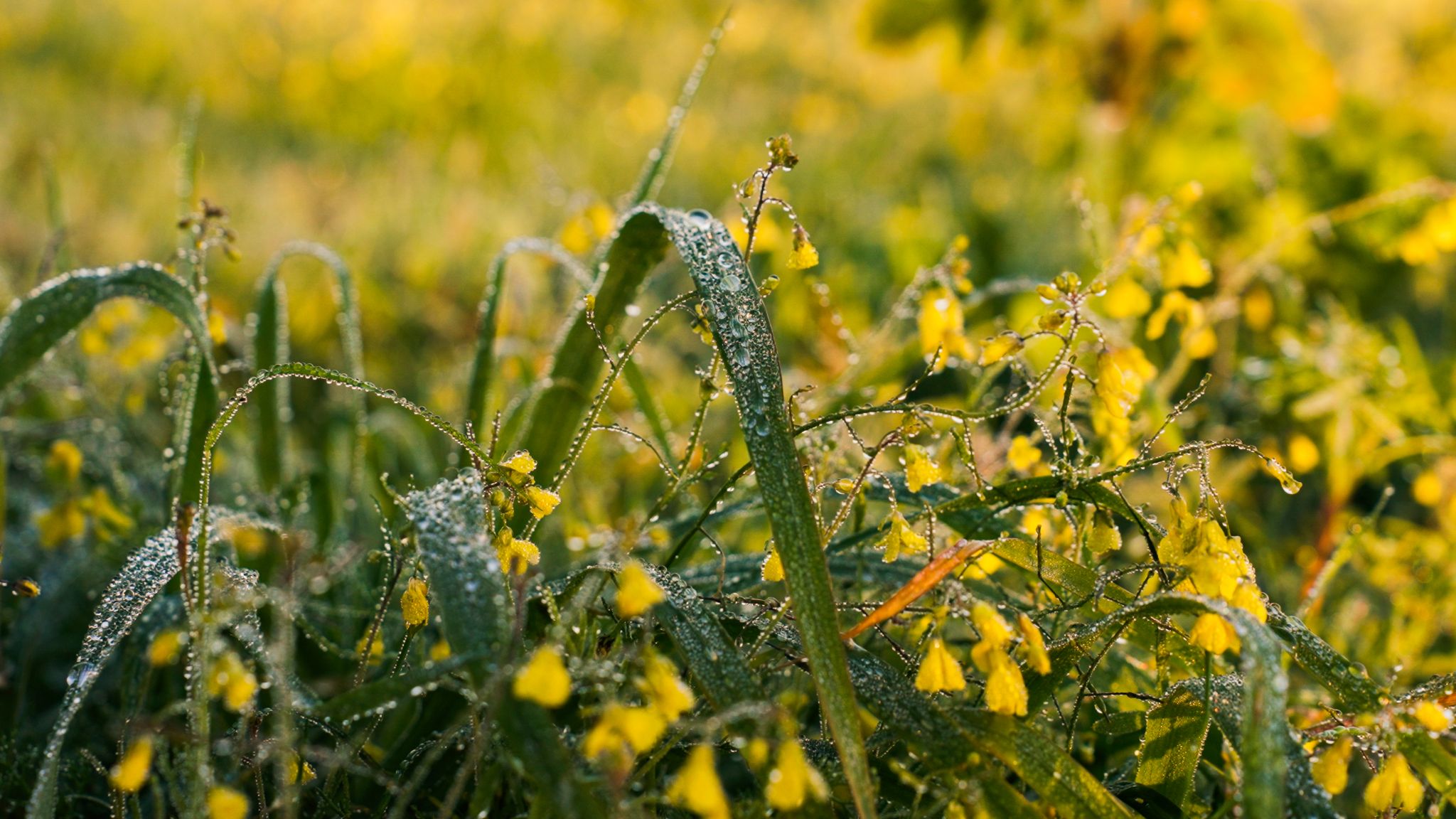
Dense and biodiverse pastures slow rainfall, boost infiltration, shade soil, and cut evaporation. Trees add another layer by cooling the air, breaking the wind, lifting moisture from below and return it through litter and transpiration. Managed well, livestock become mobile tools. They shape structure through short, focused impact, then move off to let the land recover.
This mindset changes daily choices. Before tilling, a farmer must ask how much water storage and ground cover the soil will lose, and for how long. Before grazing wetlands or stream edges, they must judge whether hooves will compact soil or drive runoff.
At The Land Group we believe the answer to Alentejo’s drought management does not lie in investing in more steel and concrete, nor purchasing more hay or grain. It lies in the farm design, where soils, plants, trees, and animals capture enough of the winter deluge to make May feel stable, not like arriving at a cliff's edge.
Together we cultivate sustainable growth 🌱
Written by Gonçalo Miguel Pereira
Agronomist, The Land Group