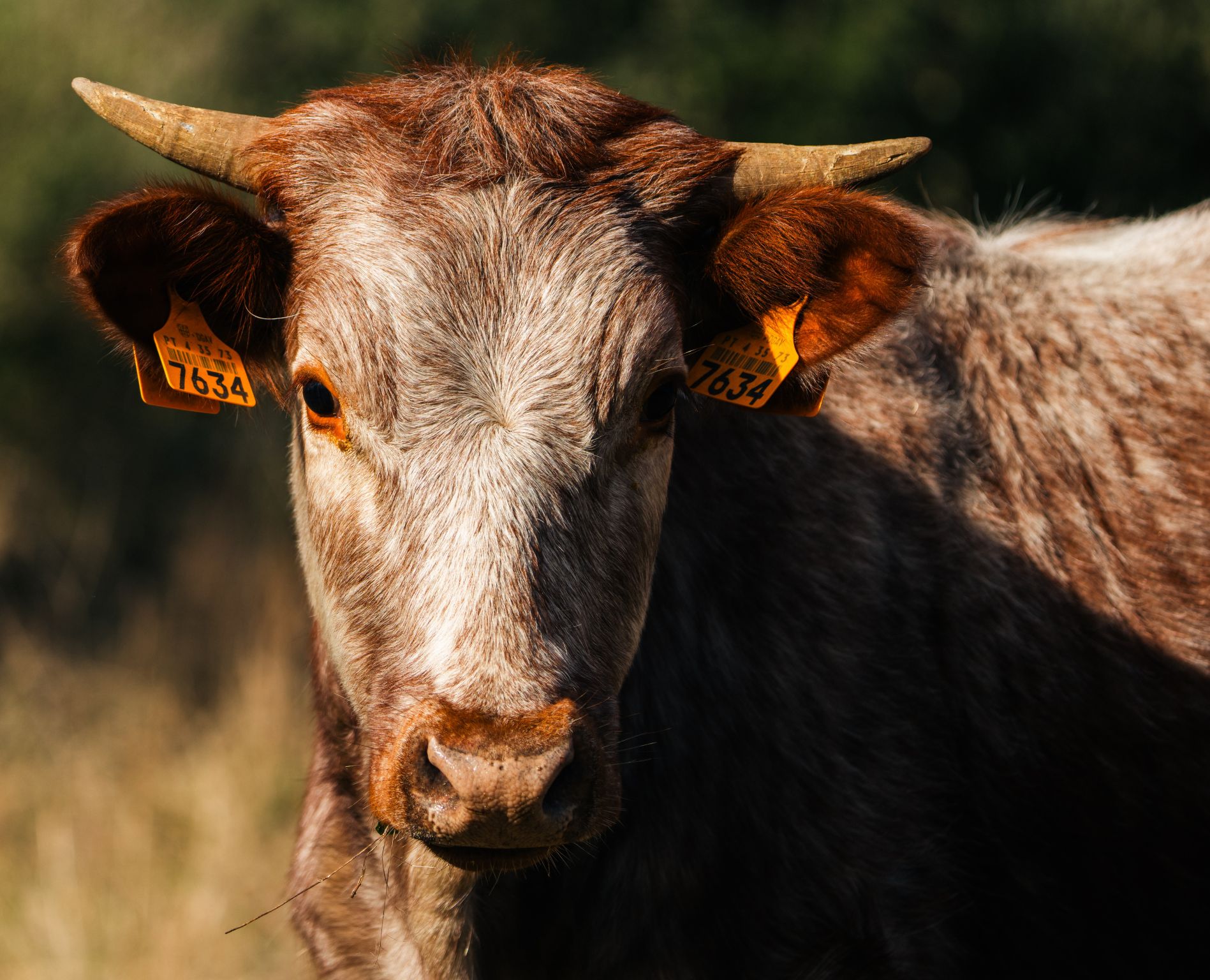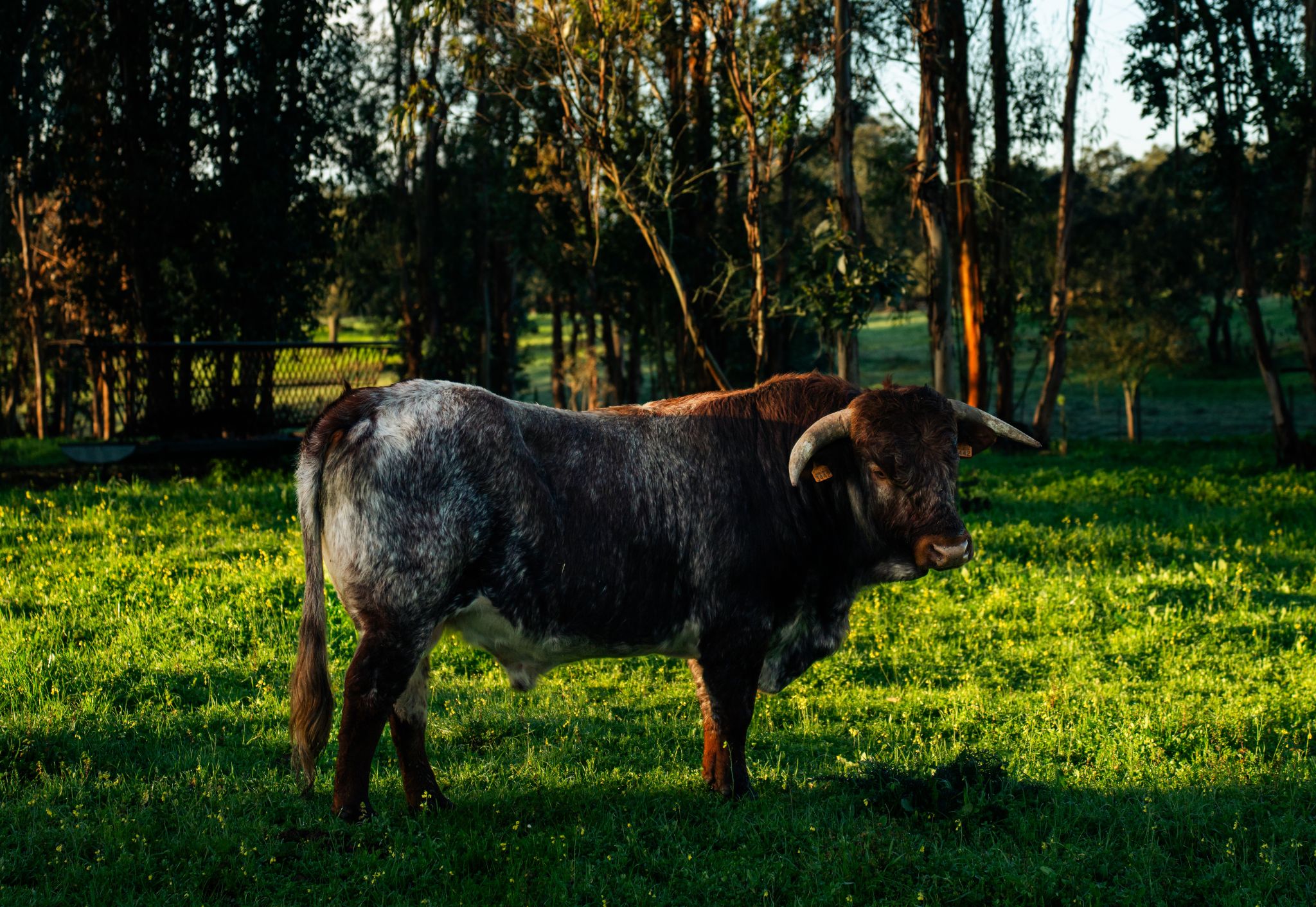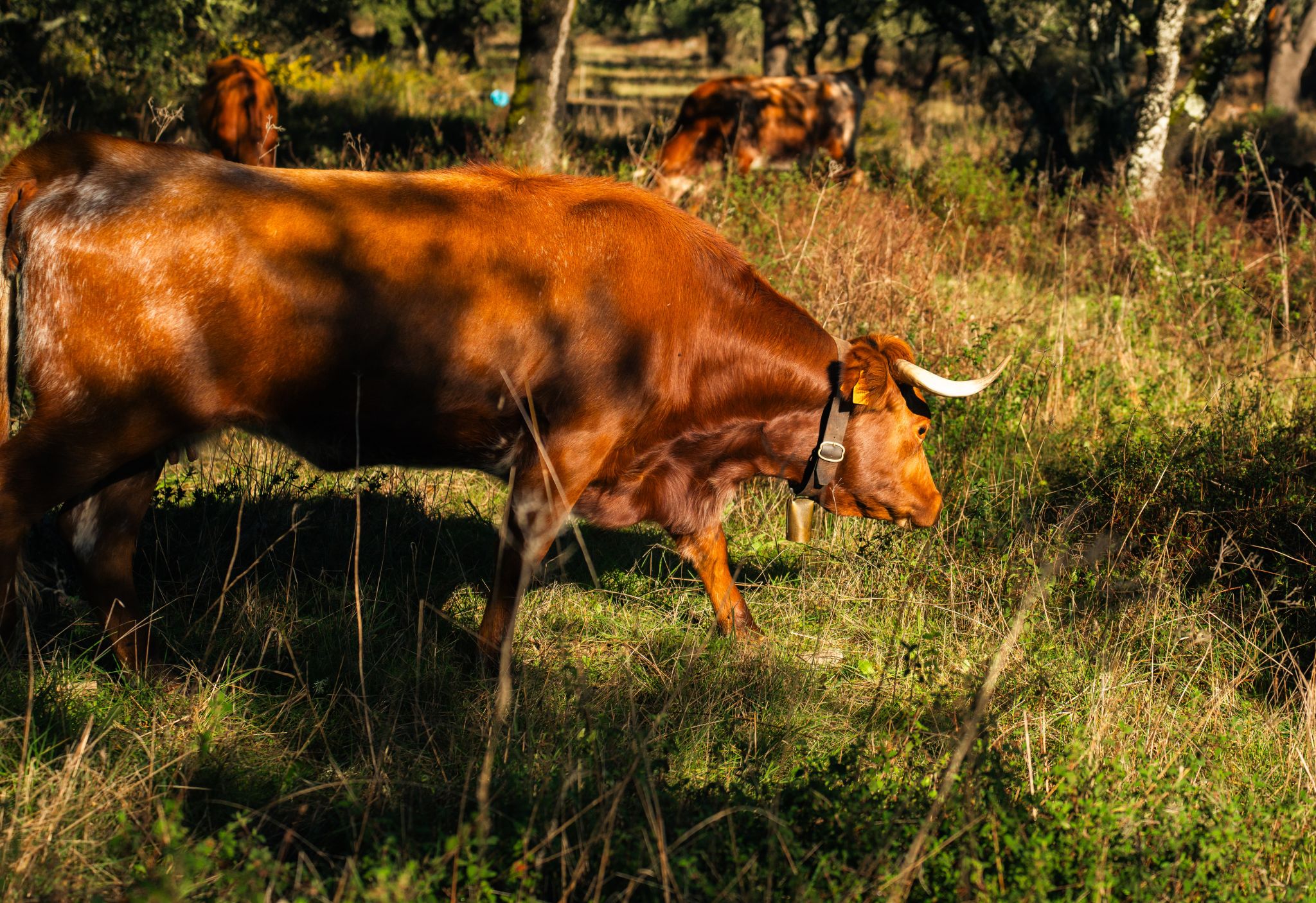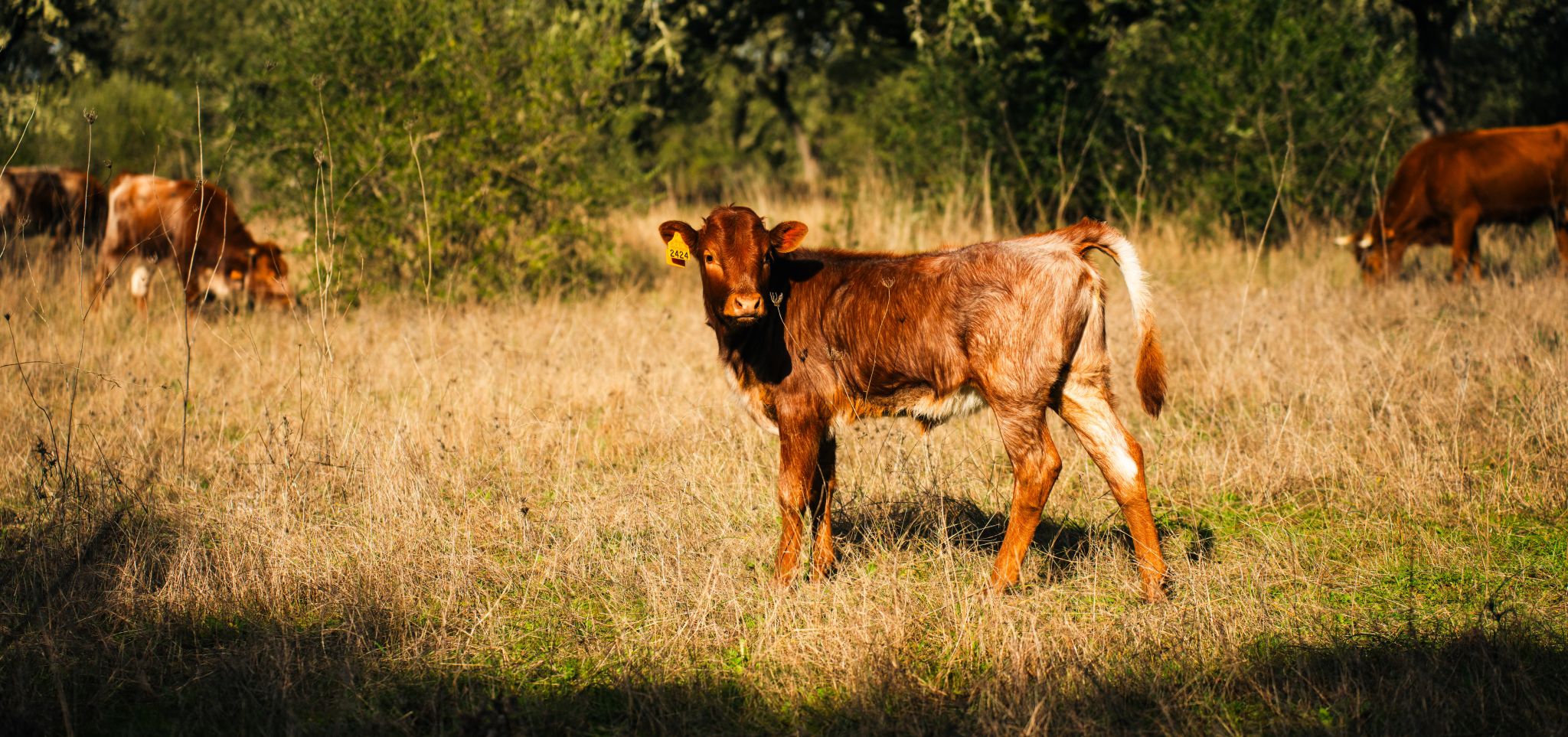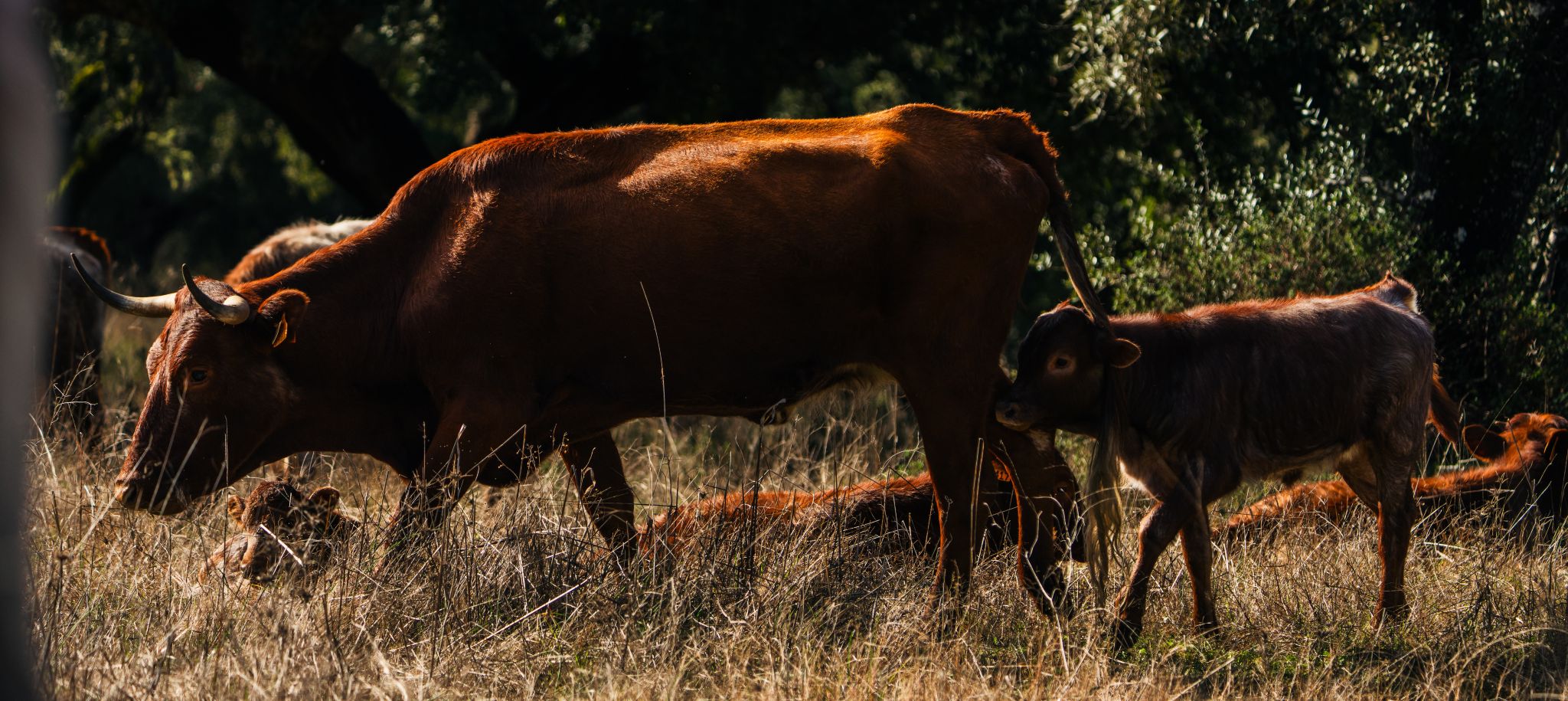
The Mertolenga cattle breed developed in Portugal’s dry interior over centuries, shaped by heat, poor soils, and seasonal forage scarcity rather than by feedlots or grain markets.
Originating in the Mertola region of Alentejo, it evolved as a multipurpose animal before specialising into beef, selected for endurance, fertility, and functional efficiency under extensive grazing systems.
Mature Mertolenga cows typically weigh 450 to 550 kilograms, which lowers maintenance energy requirements and total feed consumption in water limited environments.
Despite moderate size, weaning weights often reach 40 to 45 percent of cow weight on pasture, supported by strong maternal traits, calving ease, milk production, and high calf survival.
Well managed herds regularly sustain conception rates above 90 percent with minimal supplementation, stabilising calf output per hectare and reducing replacement and veterinary costs.
During the development phase of our Montado project, we at The Land Group had to define a genetic strategy that matched system constraints to reach the most sustainable profit per hectare, and the Mertolenga emerged as a relevant component of that formulation.
Lower carcass weights and price per kilogram remain part of the equation (which can be improved through crossbreeding), yet system level performance offsets this through lower feed costs, greater stocking flexibility, and more reliable reproduction per unit of land.
This logic aligns with the functional efficiency principles described by Jan Bonsma and Johan Zietsman, where sustainable profit per hectare flows from adaptation, fertility, and maintenance efficiency rather than maximum output per animal.
Mertolenga will not suit every system, but in hot, dryland systems facing rising input costs, it remains a competitive genetic component when operating systems from biology upwards.
Together we cultivate sustainable growth 🌱
Written by Gonçalo Pereira Miguel.
Agronomist, The Land Group