The adaptability of Precision Grazing in the Montado
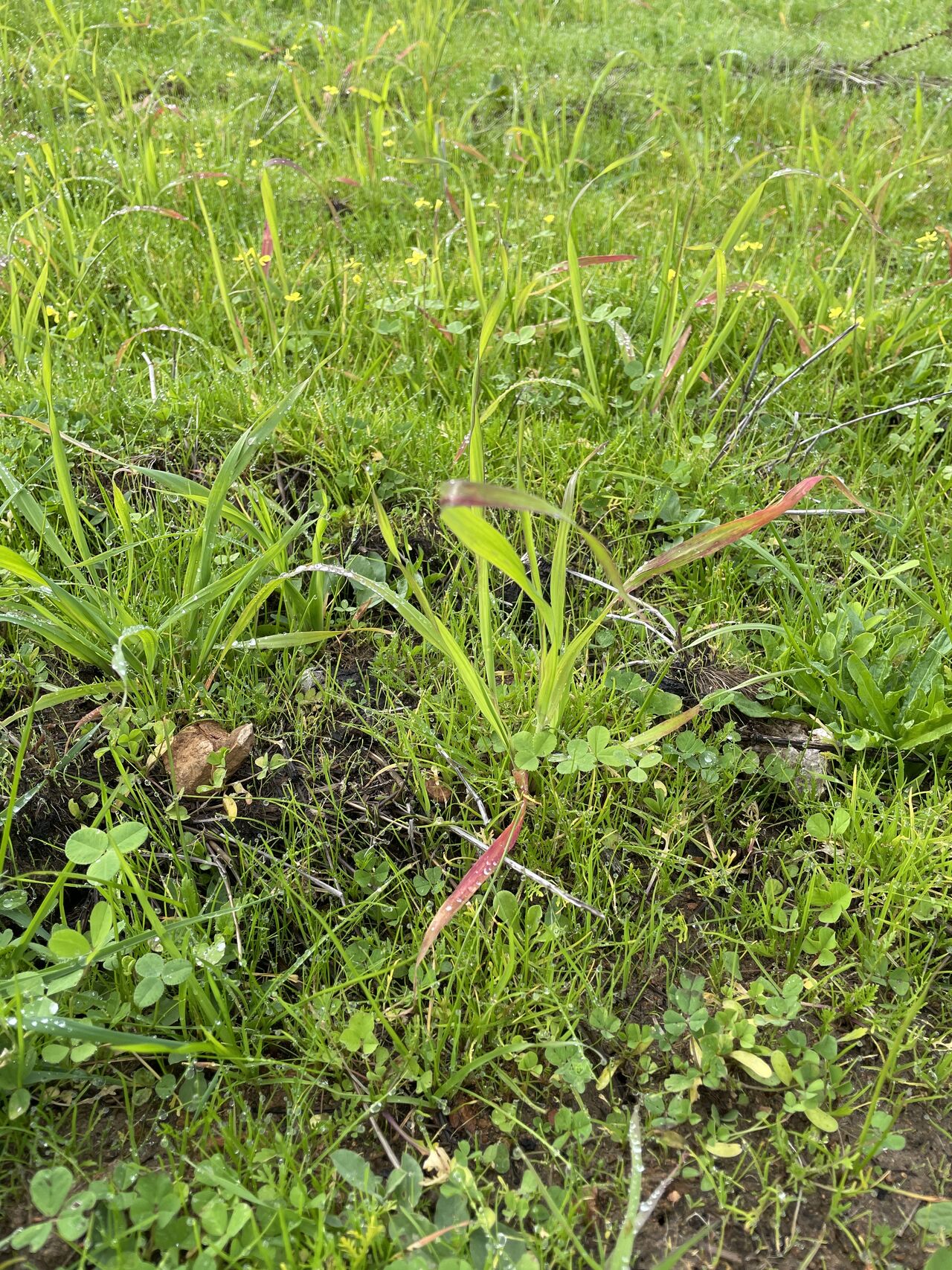
In a montado agrosilvopastoral system the logic of adaptive grazing must bend to the season. The underlying principles remain constant but the way they are expressed in paddock size, rotation speed and stocking pressure, changes markedly between a dry autumn and a wet winter.As we move from a dry autumn to a wet winter in the montado the grazing strategy must shift.
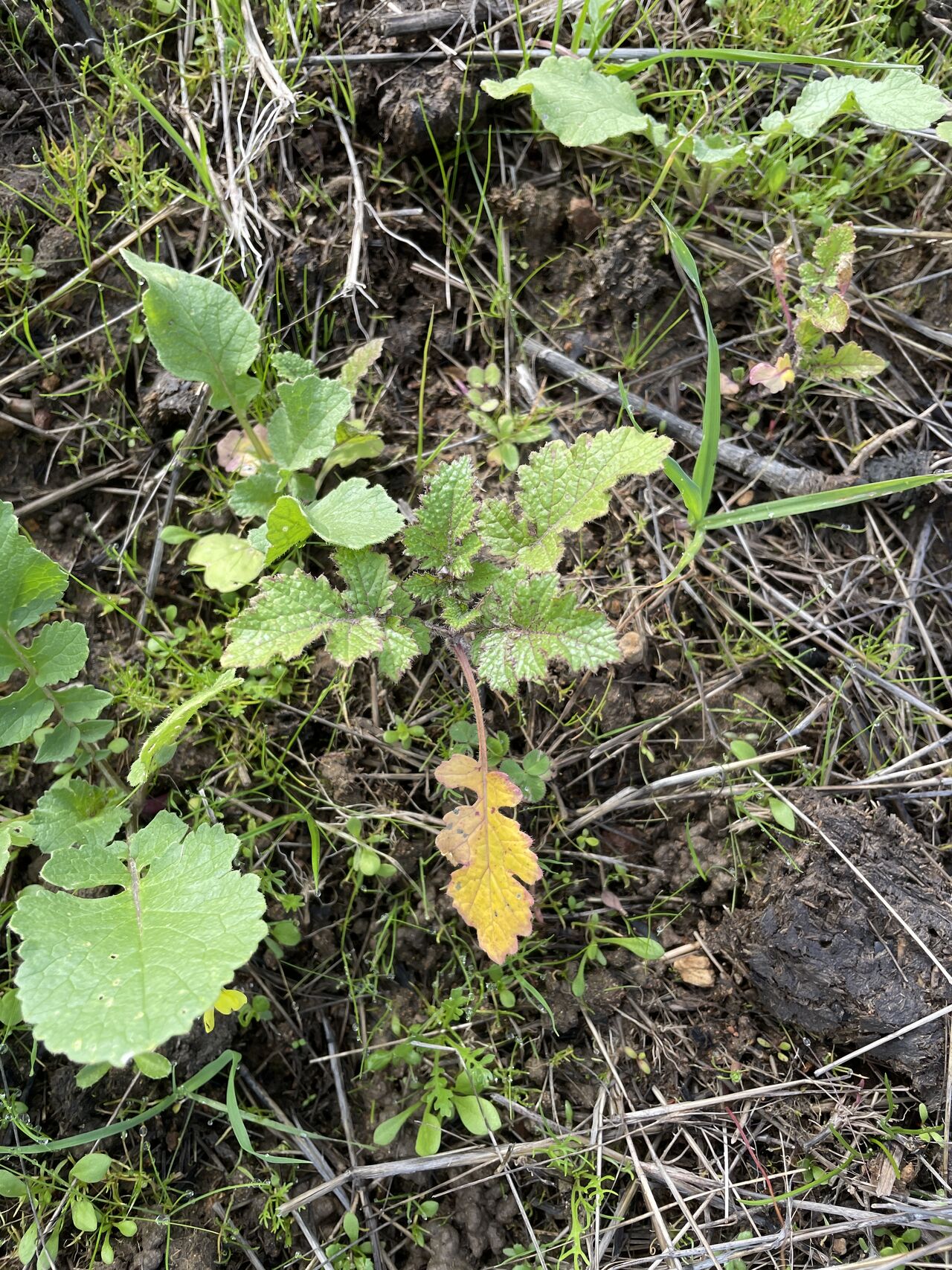
Montado permanent pastures are paradoxical. Pasture growth slowly increases yet soils are often near field capacity and highly vulnerable to hoof damage and surface sealing. To protect infiltration and maintain ground cover we readjust our grazing strategy.
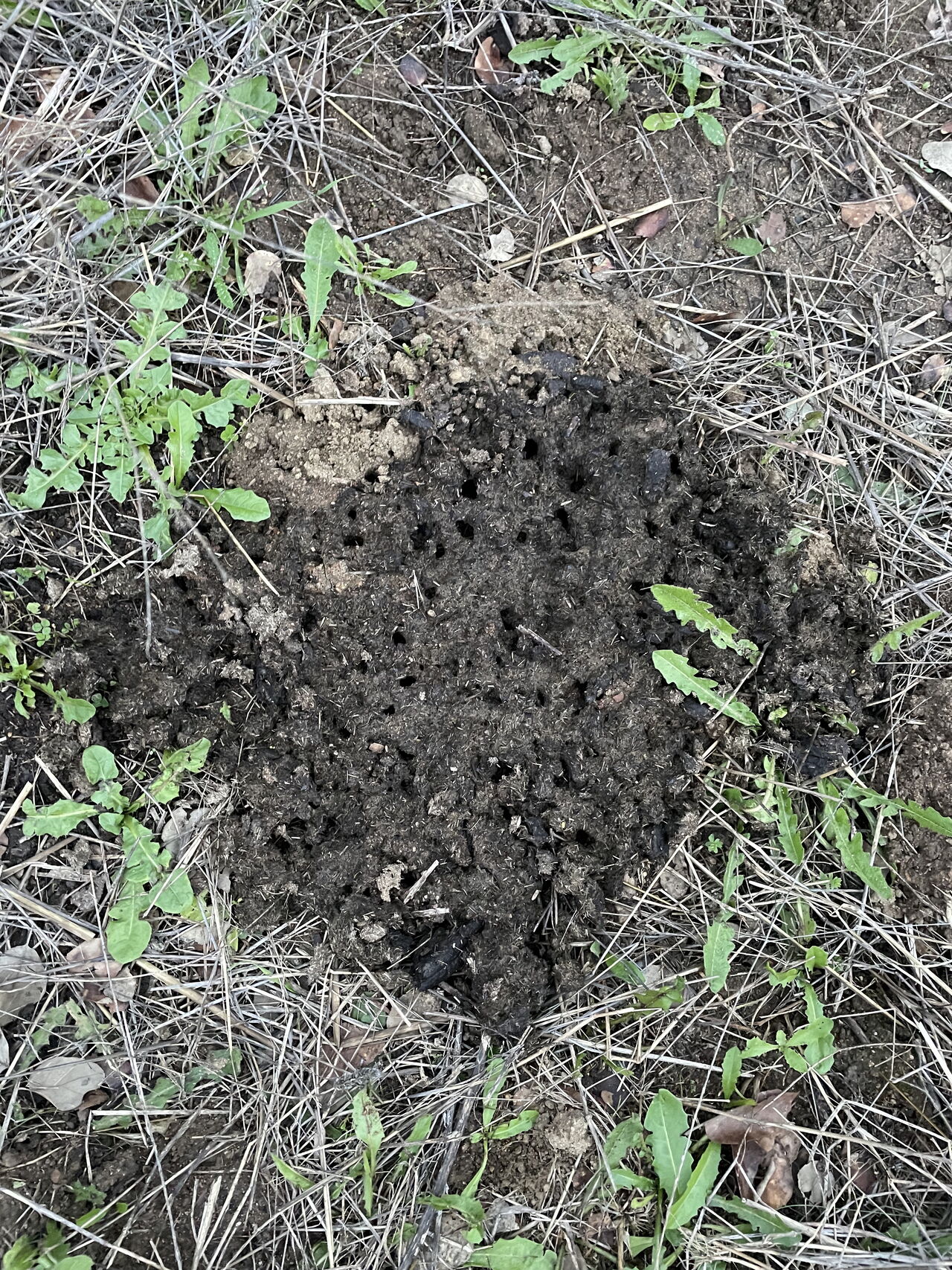
By enlarging paddock size so that hoof impact is spread over a wider area, while at the same time increasing rotation speed animals move on before traffic turns wet ground into compacted lanes. In practice this means more frequent shifts, shorter occupation per paddock and a readiness to bypass the wettest spots for later in the season, when bearing capacity improves. Clearly different approaches between low lying valley bottoms and higher standing ridges.
Such seasonal calibration of grazing strategy is especially important in montado systems where tree cover, livestock, pasture and soil health are tightly linked.
At The Land Group we are developing projects in Portugal´s Montado, focusing on this kind of fine scale temporal adjustment as a lever for both economic performance and ecological resilience.
Aligning animal movements with the rhythm of the year turns climate variability from a threat into a manageable parameter in the business model.
Together, we cultivate sustainable growth 🌱
Written by Gonçalo Pereira Miguel
Agronomist, The Land Group