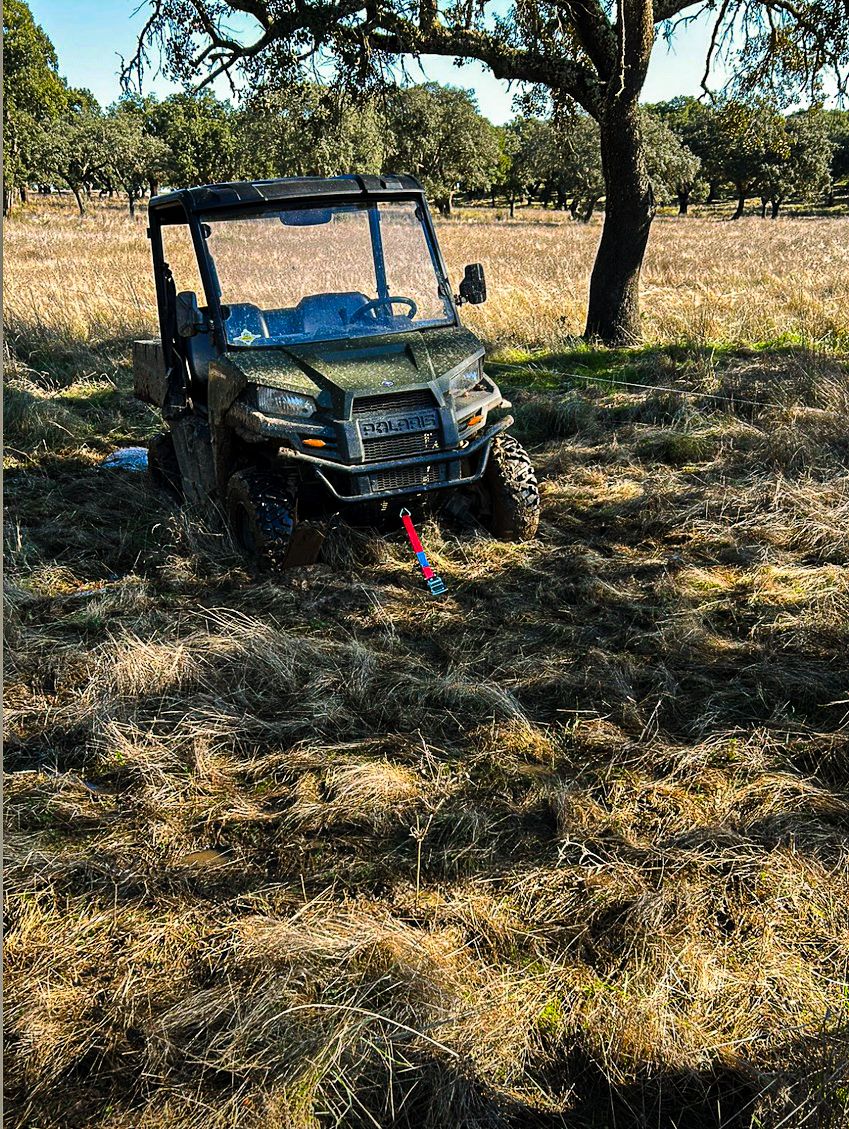
Four months into the rainy season, the Alentejo looks anything but water-scarce. Pastures are flooded, soils are saturated, rivers are running fast, and 4x4s are getting stuck in the mud.
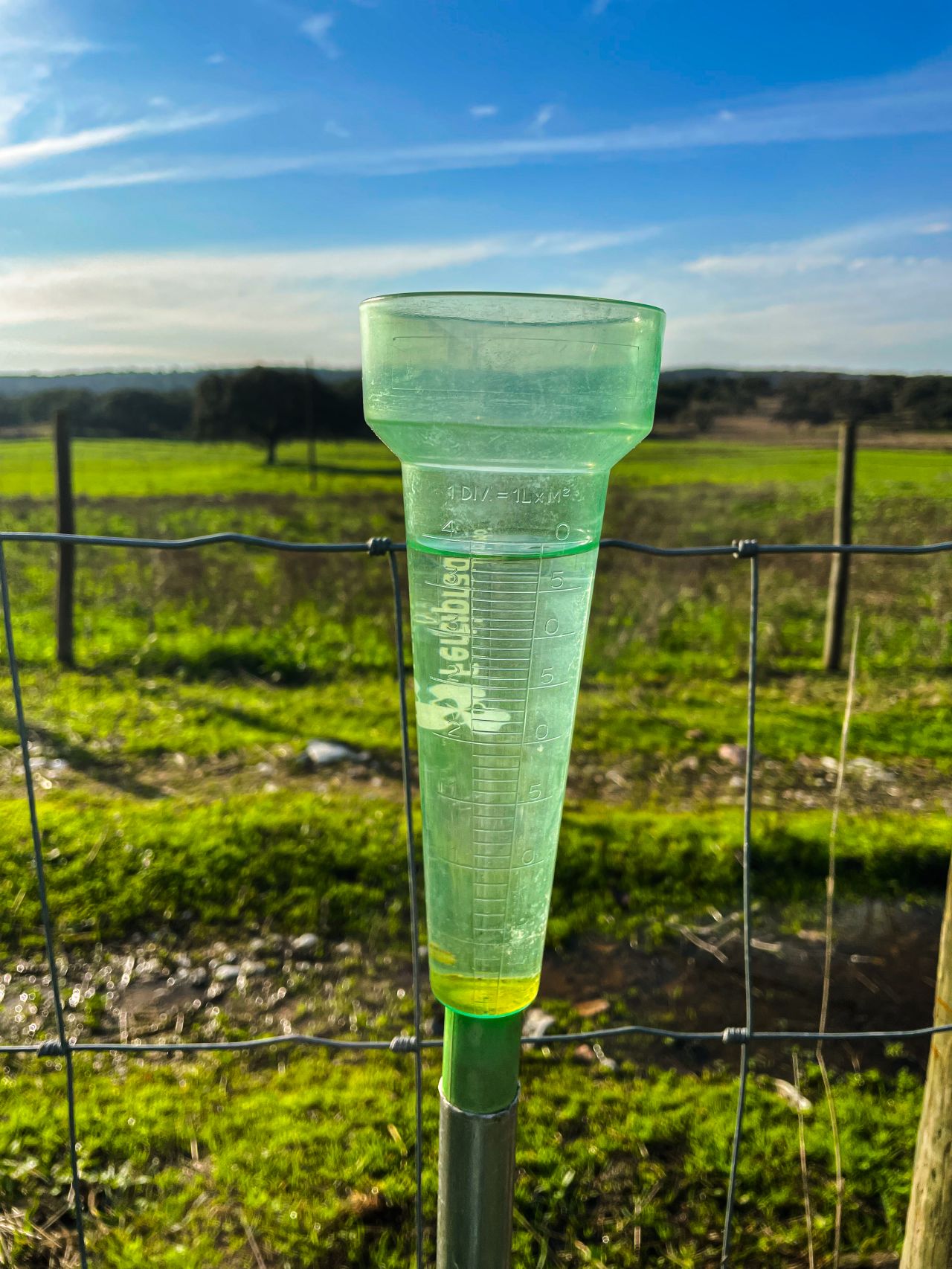
On my family’s farm alone, 379 mm of rain have fallen since the 1st of October. Yet anyone who works this landscape knows that in a few months, the same fields will be hard, dry, and stressed under the summer heat.
In theory, the region receives sufficient annual rainfall, around 600-700 mm. In practice, too much of that water runs off the surface instead of infiltrating the soil.
Compacted soils, low organic matter, and overgrazed pastures behave more like concrete car parks than the sponges they should be.
Every summer, headlines focus on empty dams and falling water tables. More regular rainfall would be welcome. But this misses the deeper issue. The real question is not how much rain falls, but how effectively each hectare captures, stores, and recycles it.
That is where the farming industry fails, and where a conversion to regenerative agriculture becomes decisive. By rebuilding soil structure, maintaining ground cover, and developing deeper root systems, it turns soil into infrastructure.
This hidden infrastructure determines whether today’s saturated fields become tomorrow’s resilience, or tomorrow’s problem.
Together, we cultivate sustainable growth 🌱
Written by Gonçalo Pereira Miguel
Agronomist, The Land Group